info@Web-SEO1.com
 Support

How Website Structure Impacts SEO More Than Most Businesses Realize
When businesses think about SEO, they often focus on keywords, content, or backlinks. While those elements matter, Website Structure Impacts SEO plays an equally important role in how search engines crawl, index, and rank a site. A poorly structured website can limit visibility, even when the content itself is strong.
Website structure affects both search engines and users. When pages are organized logically and connected properly, it becomes easier for visitors to find information and for search engines to understand the site’s purpose and authority.
What Website Structure Really Means
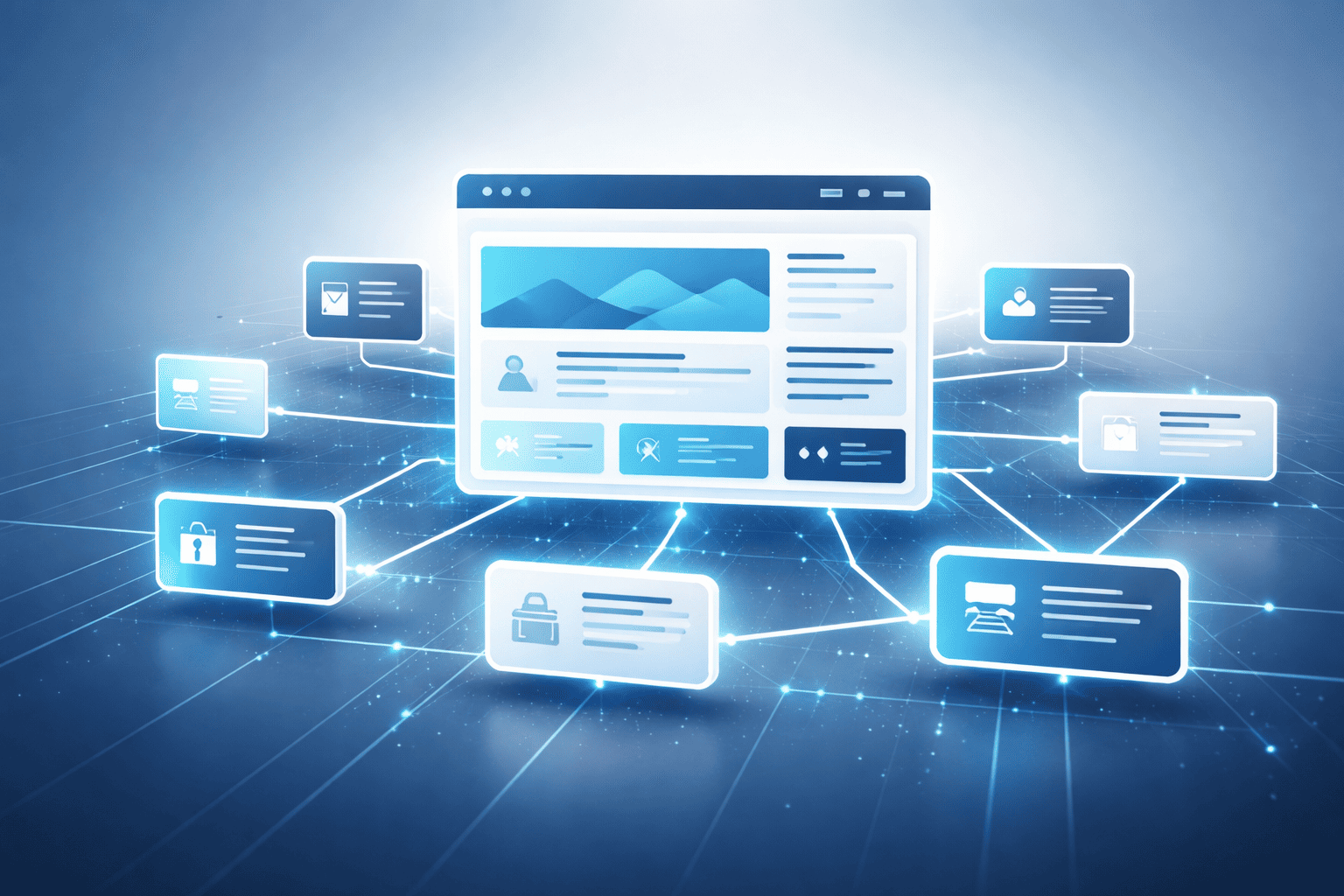
Website structure refers to how pages are organized, linked, and grouped together. This includes navigation menus, page hierarchy, internal links, and how content is categorized.
A clear structure helps search engines determine which pages are most important and how different topics relate to each other. It also helps users move through the site intuitively without frustration.
Strong structure is a foundational part of SEO-friendly website design and should be considered early in the development process.
How Structure Affects Search Engine Crawling
Search engines use bots to crawl websites by following links. When pages are buried too deeply or disconnected from the main navigation, they may not be crawled or indexed efficiently.
A well-organized site ensures that important pages are accessible within a few clicks from the homepage. Logical internal linking signals relevance and helps distribute authority throughout the site.
Poor structure can result in orphaned pages, duplicate content issues, or inefficient crawl paths that limit SEO performance.
Navigation and User Experience Matter for SEO
Search engines increasingly prioritize user experience. If visitors struggle to find information or navigate the site, engagement metrics such as bounce rate and time on site may suffer. Clear menus, logical categories, and consistent navigation help users stay engaged. These usability signals indirectly support SEO by showing that users find the site valuable and easy to use and support both SEO and conversions.
Mobile Structure Is Especially Important
With mobile-first indexing, search engines evaluate the mobile version of a site first. Sites with cluttered menus or confusing mobile navigation may experience ranking challenges, even if the desktop version looks fine.
Internal Linking Strengthens Topical Authority
Internal links connect related content and guide both users and search engines through the site. Strategic internal linking helps reinforce topical relevance and highlights priority pages.
For example, linking related blog posts and service pages supports stronger topic clusters. This approach improves crawl efficiency and helps search engines understand which pages are Professional. website design services focus on structure as much as visual appeal to try the most authority.
Content planning and structure go hand in hand with SEO services aimed at long-term growth.
Site Hierarchy Supports Conversions
Website structure is not just about rankings—it also impacts conversions. Clear pathways help guide users toward key actions such as contacting the business, requesting information, or making a purchase. When structure is confusing, visitors may leave before converting. A logical hierarchy ensures users always know where they are and what to do next.
Common Structural Mistakes Businesses Make
Many businesses unknowingly harm SEO through structural issues, including:
- Too many top-level menu items
- Pages buried too deep in the site
- Inconsistent URL structures
- Lack of internal links between related content
- Duplicate pages targeting the same topic
Addressing these issues often leads to noticeable SEO improvements without changing content.
Why Structure Should Come Before Content
Content performs best when it lives within a solid structure. Publishing blogs or pages without considering how they fit into the overall site can limit their effectiveness.
A strategic structure supports scalability, allowing businesses to grow content over time without creating confusion or SEO problems.
Conclusion
Website structure is a critical yet often overlooked component of SEO success. From crawlability and internal linking to user experience and conversions, structure influences how both search engines and visitors interact with a site. Businesses that invest in clear, logical website structure create a stronger foundation for long-term SEO performance and growth. If you would like more information or have questions, please call the experts at Power Marketing International who have been building outstanding websites since 2012.
Their phone number is 772-521-6539. You can also visit their website https://web-seo1.com.