info@Web-SEO1.com
 Support

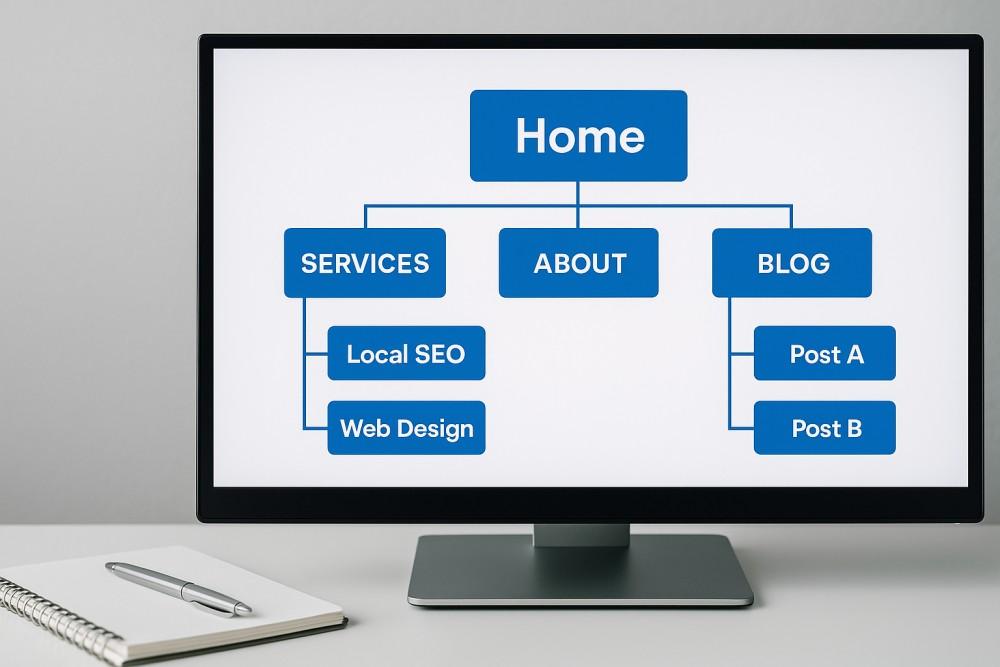
How Website Structure Affects Your SEO: Tips for Better Visibility
You’ve optimized your keywords, improved your content, and built backlinks—but is your website structure holding you back? A well-organized site layout isn’t just helpful for users—it’s essential for search engines. Poor structure can confuse crawlers, bury important content, and hurt your ability to rank.
Let’s explore how smart website structure enhances SEO and what small business owners can do to get it right.
Why Structure Matters for SEO
Search engines like Google use bots to crawl and index your website. A clean structure helps these bots understand your content, discover new pages, and evaluate the importance of each one. It also helps users navigate your site easily, improving engagement and lowering bounce rates, both of which affect rankings.
In short: Good structure = better indexing + happier visitors.
Use a Clear, Logical Hierarchy
Think of your site as a tree. The homepage is the trunk, major category pages are the branches, and subpages are the leaves. This hierarchy should be simple and intuitive.
Tips to follow:
- Use only 3–4 levels of depth from homepage to content
- Keep the number of main navigation items manageable
- Group related content under clearly labeled sections
A clear hierarchy boosts SEO by making your content more discoverable.
Improve Internal Linking
Internal links help users explore related content and allow search engines to understand page relationships. They also distribute “link equity” throughout your site, giving lower-level pages a better chance of ranking.
Best practices:
- Link to relevant blog posts or services from your homepage
- Add internal links within blog articles to related topics
- Use descriptive anchor text (not just “click here”)
A solid internal linking strategy strengthens the SEO value of your entire site.
Make URLs Simple and Consistent
SEO-friendly URLs reflect the structure of your website. They should be readable, keyword-rich, and consistent with your content hierarchy.
For example:
/services/local-seo is better than /page?id=1423
Use hyphens to separate words and avoid unnecessary parameters or numbers.
Optimize for Mobile Navigation
If your mobile navigation is hard to use, users won’t stick around—and Google notices. A responsive structure that adapts to screen sizes helps both usability and crawlability.
Mobile-friendly structure tips:
- Use a hamburger menu for streamlined navigation
- Keep dropdowns minimal
- Ensure all menu links are easily tappable
Mobile-first indexing makes this a must for local SEO success.
Conclusion
A strong website structure is one of the most overlooked yet impactful elements of SEO. At Power Marketing International, we help businesses design websites that search engines and users love. If you’re ready to build a site that ranks higher and works harder, contact us today at 772-521-6539 or info@web-seo1.com. to get started. To learn more about Power Marketing International please visit their website https://web-seo1.com.