info@Web-SEO1.com
 Support

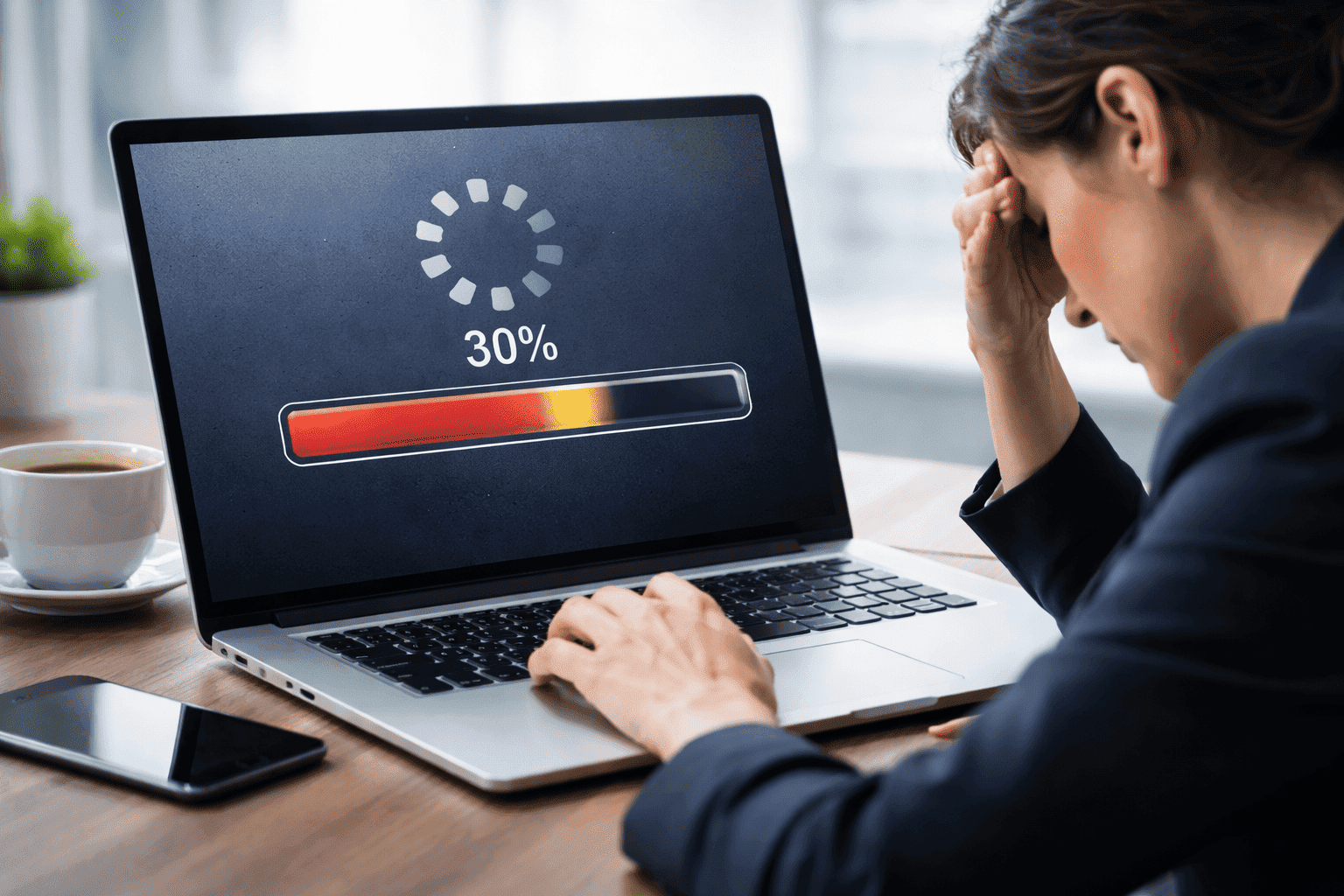
How a Slow Website Is Hurting Your Google Rankings (and How to Fix It)
If your Slow website takes too long to load, you’re not just frustrating visitors—you’re also hurting your search engine rankings. Website speed is one of the most important factors in both user experience and SEO performance.
At Power Marketing International, we often find that slow websites are one of the biggest hidden issues preventing businesses from ranking higher and converting visitors into leads.
Why Website Speed Matters for SEO
Google prioritizes user experience, and page speed is a major part of that. If your site loads slowly, search engines are less likely to rank it highly.
A slow website can:
- Increase bounce rates
- Reduce time spent on your site
- Lower overall engagement
Improving website performance optimization is essential for better rankings.
The Impact on User Experience
Today’s users expect websites to load almost instantly. If your site takes more than a few seconds, visitors are likely to leave before it even finishes loading.
This results in:
- Lost potential customers
- Lower conversion rates
- Decreased trust in your brand
Fast-loading sites create a smoother, more professional experience.
Mobile Speed Is Even More Important
With most traffic now coming from mobile devices, speed matters even more on smaller screens and slower connections.
A slow mobile site can:
- Frustrate users quickly
- Lead to higher abandonment rates
- Negatively impact mobile search rankings
That’s why SEO web design (https://web-seo1.com/) must always prioritize mobile performance.
Common Causes of a Slow Website
Many businesses don’t realize what’s causing their site to slow down. Some of the most common issues include:
- Large, unoptimized images
- Too many plugins or scripts
- Poor hosting performance
- Lack of caching
- Outdated website structure
Identifying these problems is the first step toward improving speed.
How to Improve Your Website Speed
The good news is that most speed issues can be fixed with the right approach.
Here are some key improvements:
Optimize Images
Compress and resize images to reduce load time without sacrificing quality.
Improve Hosting
A reliable hosting provider can significantly impact your site’s performance.
Enable Caching
Caching allows returning visitors to load your site faster.
Reduce Unnecessary Code
Eliminating unused scripts and plugins helps streamline your website.
Use a Content Delivery Network (CDN)
A CDN distributes your content across multiple servers for faster access.
These strategies are often part of professional SEO services.
The SEO Benefits of a Faster Website
When your site loads quickly, you’ll start to see measurable improvements:
- Higher search rankings
- Lower bounce rates
- Increased user engagement
- More conversions
Speed is not just a technical improvement—it’s a business advantage.
Don’t Let Speed Cost You Leads
Many businesses invest heavily in marketing but overlook website performance. Even small delays can result in lost opportunities.
By improving speed, you ensure that your traffic turns into real results.
Conclusion:
A slow website doesn’t just affect user experience—it directly impacts your SEO and your ability to generate leads. In today’s fast-paced digital world, speed is essential.
If your site isn’t performing as it should, optimizing for speed can be one of the most effective ways to improve rankings and grow your business. Power Marketing Internatioal has been helping clients improve site speed since 2012 and is ready to help you. Please visit their website https://web-seo1.com to learn about their many services and to read reviews. You can also call the office at 772-521-6539 with any questions.